

The Columbus Georgia Convention and Trade Center is the perfect venue for anyone hosting a large event. This place has seen many weddings and corporate events, but perhaps its best function is in the name itself: conventions. The Convention and Trade Center is home to Fountain City Tattoo Expo, a large tattooing convention that brings in artists and attendees from all over the Southeast. They also host the Georgia Thespian Conference every year, much to the chagrin of any downtown pedestrians with a hatred of showtunes. Both events bring in a lot of business for downtown hotels, restaurants and retail spots. Having a great place to host conventions is a net good for the city and for CSU students.
So why was Georgia Pop Horror Con 2025 so disappointing? They had the perfect location, plenty of great guests and vendors, and a large community of film, theater, and art majors who could have boosted attendance. When we attended the convention this year, it felt shockingly empty. One could simply attribute this to a failure of advertising, but it seems that Pop Horror’s primary issue was their failure to fully engage with the community where the event was hosted at all.
The event is far behind us, having been hosted August 1st through 3rd. This in and of itself is telling. Columbus State students, including aforementioned art majors who may have taken interest in the convention, were still moving into their dorms during the event. While there were some local businesses handing out fliers for the event, there was seemingly no effort put towards advertising in local publications such as our own. Conventions primarily make their money from badge sales, and without good advertising, young conventions like Pop Horror cannot pull in the attendees required to survive.
We asked convention organizer Brian Lancaster to give us his thoughts about the dates and how they aligned with Columbus State’s move-in schedule. His first response was to inform us that they do run other events in Maryland and Virginia. Perhaps this is part of the reason for the cultural mismatch that led to poor scheduling. This approach is not uncommon. The organizer himself pointed this out when he compared their event to Days of the Dead, a similar network of horror-focused conventions.
The con seemed to be relegated to only one hall of the convention center, which was odd for a fandom-focused convention in general. The vendor’s hall, tabletop gaming area, and stage for guest interviews and events were all crowded into the same space. One attendee, cosplaying Garfield, stated that they “felt like [they] paid for a badge to spend more money” when asked how they felt about the con’s use of the space. Furthermore, most cons of this nature host additional programming like fan panels and guest Q&As and make use of more than one room of a venue. Lancaster stated that last year’s attendance was too low to justify using other halls or meeting rooms for panelists. He believed that Columbus could not support a convention large enough to justify using the entirety of the space.
“You run out of people with money, you do one bad show, you flop, flights get cancelled for your celebrities…” Lancaster said as he lamented the consequences of the previous year’s poor attendance as justification for only booking one hall. We tried to turn the conversation towards the future, at which point Lancaster stated, as if realizing his company’s hubris in the moment, “We could partner with the school.”
It was at this point in the conversation that he began asking us questions that anyone hosting a convention in a college town should have asked months, if not at least a full year prior to the event. He asked how many people attend CSU. He asked when the move in dates and the first day of classes were. We also brought up the option of hosting the event after students receive their financial aid refunds. It seemed Lancaster neglected to examine the entirely google-able academic calendar of Columbus State University. He also seemed shocked to learn that the Georgia Thespian Conference takes up not only the convention center, but also several of the theater spaces on and near campus. That convention is largely staffed by volunteers from the Columbus State theater department.
“We could definitely sync up the calendar as far as a better date goes” Lancaster admitted. This left us with the impression that there would be another Georgia Pop Horror Con in 2026. However, if anyone visits the website for the convention now, all they will find is a dead link and a domain name listed for sale.
There were plenty of talented actors, animators, and artists that theater, film, and art majors could have met. Douglas Tait, an actor known for portraying both Jason Vorhees and Michael Meyers, was there signing autographs, taking photos with fans, and promoting Angel Baby, his directorial debut. Tom Ruegger and Paul Rugg of Warner Bros animation were there to discuss their roles in the creation of Animaniacs, Pinky and the Brain, and Batman: The Animated Series. Volunteers from the Canterbury Creepers Haunted House hosted panels about their free haunt in Phenix City. All would have been great people for our arts majors to meet and converse with about their work if they had known about the event and were not actively trying to move into their dorms.
Despite Lancaster’s offhanded dismissal of our city, Columbus can host large-scale conventions successfully. However, this would not be the first time a fandom-focused convention failed to take off in Columbus. In fact, the most notable example of this would be the convention formerly hosted in the Davidson center and its adjoining rooms: Nerdacon.
Nerdacon first began in 2007, the brainchild of the now defunct Campus Nerds. The convention ran for 11 years, its leadership changing hands as students graduated. The con was advertised heavily online and around town in a pre-Instagram era. Former nerd and Newgrounds user, Skaijo, even posted an animated short advertising the second year of the con. As the convention grew in popularity, certain parts of the event such as the cosplay contest were moved to the Student Recreation Center and University Hall. In the convention’s final years, it was moved to the Columbus Georgia Convention & Trade Center.
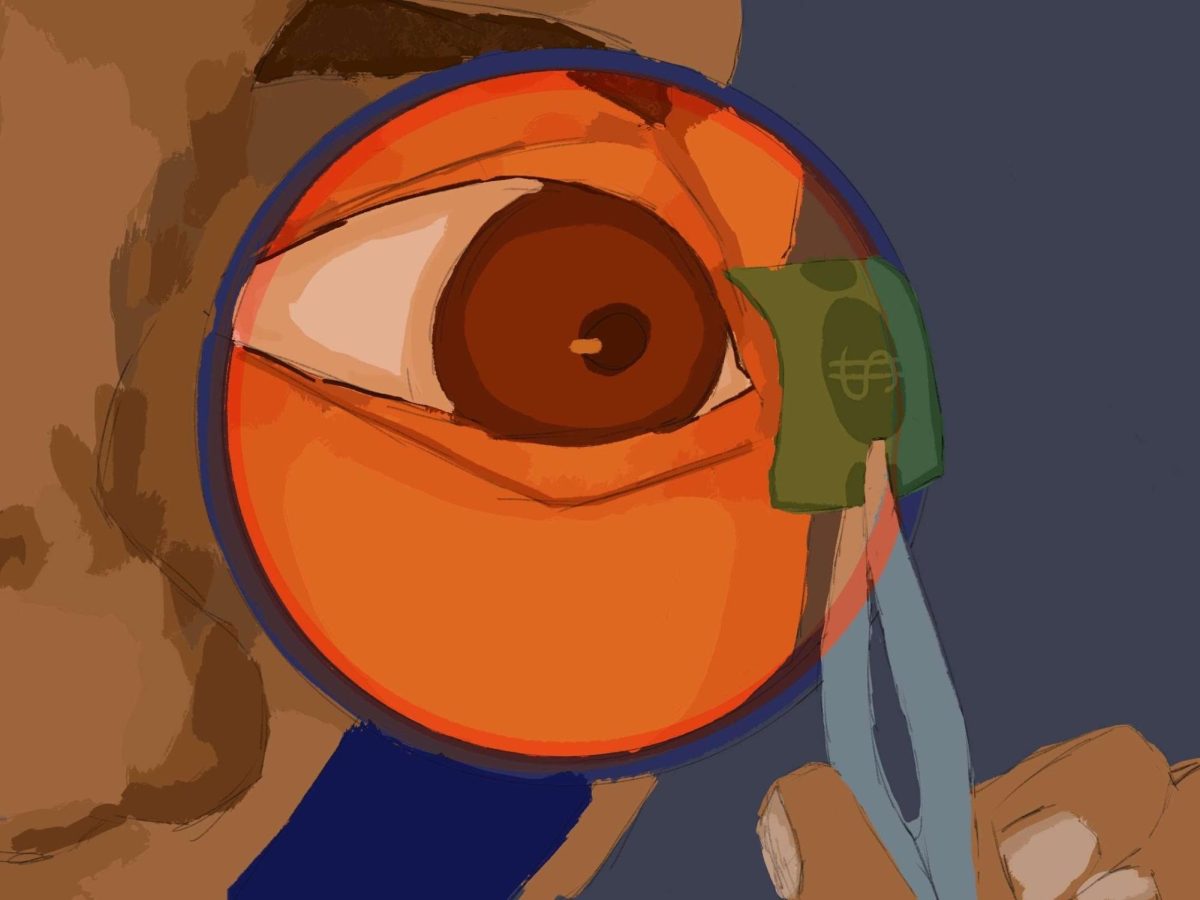
While attendance was initially free for congoers, in the ninth year the Campus Nerds began charging for the event in order to keep up with the cost of running it. In its final year, the profits from badge sales were allegedly stolen by organizers and funneled into cryptocurrency, where it was all lost. This is an unconfirmed rumor, but due to the lack of transparency surrounding the event’s end, all the former attendees and current students can do is speculate.
One former Nerdacon v9 vendor, who wishes to remain anonymous, summed up their experience as “chaotic, unprofessional, and uncoordinated”. She stated that there was very little organization or thought put into the arrangement of the vendor’s hall. Multiple vendors were illogically situated in-between the tables of vendors who had reserved more space. The vendor stated that they made multiple unsuccessful attempts to gain clarification on load-in times and table placement.
Rachael Cofield, one of the original organizers of the event, remembers the early years fondly, but noted some interpersonal issues were present even under her leadership. “I had a great time running things,” she stated, “but it ended up being very cliquish.” Rachael observed that a large part of what led to Nerdacon’s eventual downfall were the “very sexist popularity contests” surrounding changes in leadership.
Where Pop Horror failed to run an event that catered to the existing population of college aged nerds in Columbus, Nerdacon failed to run an event that catered to a gender-diverse crowd of geeks or follow CSU’s guidelines regarding their handling of funds. Neither of these conventions speak to an inability for Columbus to host a great con.
Convention spaces provide an outlet for local nerds to meet up and discuss their favorite movies, shows and games. They give costumers the opportunity to compete in cosplay contests. They give film, theater and art students a chance to pick the brains of industry professionals. It can sometimes feel like Columbus has almost nothing to offer to those who don’t want to drink at the same three bars every weekend. Having a larger scale convention would give those members of the community, students and otherwise, something to look forward to. The foot traffic downtown could bring in plenty of business for retailers and restaurateurs.
When there are multiple tabletop game stores in town, arts majors with fanart prints to sell, and an entire class of film majors who would love to meet some actors and directors, there really is no excuse for Columbus to not be hosting at least a modest, well-organized nerd convention.